
Places
IliumAlternative names: Troias, TroasPlace descriptionTroas was an important city in antiquity due to its location almost directly opposite the island of Tenedos on the Aegean coast. It was founded around 310BC by Antigonus 1 Monopthalmus, one of the successors of Alexander the Great. Antigonus forced the residents of its neighbouring towns to move to the city, and he initially named it Antigonia. After he was killed in 301BC, the Macedonian king Lysiachus took control of Antigonia and renamed it Alexandria. Due to its proximate location to Troy, it was known as Alexandria Troas. The city was a leading commercial centre during the Hellenistic period. Augustus upgraded it as a Roman colony and granted it an official name Colonia Augusta Troadendisum. Hadrian was a major benefactor of the city. Herodes Atticus, an Athenian citizen who also built the odeion on the south slope of the Acropolis in Athens, completed several major projects including an aqueduct and a large bath-gymnasium complex in AD135. During the Byzantine period, the city was the seat of a bishop but it still declined probably due to the growth and importance of Constantinople. Troas eventually came under Ottoman control. Its earlier building materials were reused for the Blue Mosque in Istanbul in the 17th century. Other archaeological remains in the city include a temple dedicated to Apollo Smintheus during the end of the 1st century BC. A theatre or odeion is located adjacent to the temple. There is also a basilica and a nearby podium. The artificial harbour of the city is now located near the village of Dalyan, but only a few columns are still visible. Sections of the city walls can still be seen. The walls were originally 5 miles long. Images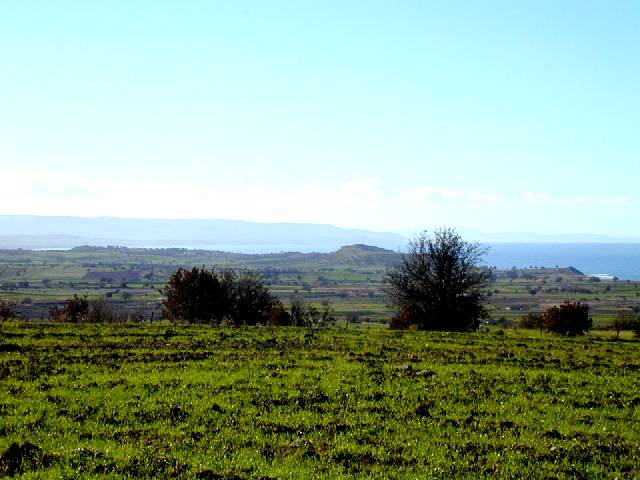 Troas view south along route to Asos, tb Passages - PolybiusHistories (Loeb)Histories (Shuckburgh)Polybius CommentaryPassages - Flavius JosephusAgainst Apion (Brill)The Judean Antiquities (Whiston) |