
Places
CanaAlternative names: Kanah, Kefar Kana, Khirbet Cana, Kefar CanaPlace descriptionJosephus mentions Cana only glancingly, though he says that he lived there for part of the time he was in the Galilee (Life 86). The Arab village of Kefar Kana (1823.2392), five kilometers northeast of Nazareth, is the site most commonly identified as ancient Cana. During excavations in the village and excavations under the floor of the church, first-century CE pottery, coins, and stone vessels were found, as well as second-century CE stone ossuaries. On the eastern side of the village, some underground tunnels and chambers were excavated, probably part of a secret hideaway system, known elsewhere in Judea as well as in Galilee. These, together with the remains of a mosaic floor with an Aramaic inscription from an ancient synagogue, point to a long Jewish occupation of the village.<br>Northwest of Kefar Kana, however, a site named Khirbet Cana (map reference 1786.2475; Arabic, Gana) is a much stronger candidate as the ancient town of Cana. It was occupied from the Iron Age through to the Arab period, with peaks of occupation in the Early Roman and Early Byzantine periods. Khirbet Cana was located on an isolated high hill with steep slopes, on the northern edge of the Beth Netofa valley at the mouth of the Wadi Yodefat. Current excavations (beginning 1998) have revealed first-century CE architecture on late-Hellenistic remains, including terrace housing similar to that found at the first-century CE sites of Yodefat and Gamla. Finds include a very well preserved mikveh (date still uncertain), an unusual mock-Ionic capital, stoneware, pottery, and coins from the late Hellenistic and Early Roman periods. Eleven undecorated tombs, unexcavated but similar in style to first century tombs and incorporating between fifty and one hundred loculi, have been surveyed. There are more than sixty-five cisterns across the site. Since Josephus’s Cana was no doubt identical to New Testament Cana (John 2:1-11; 4:46; 21:2), it is relevant to the question of identification that a cave was adapted to meet the needs of pilgrims by building a kind of tableau representing Jesus’ water-to-wine incident (the date of the cave has not yet been settled). Images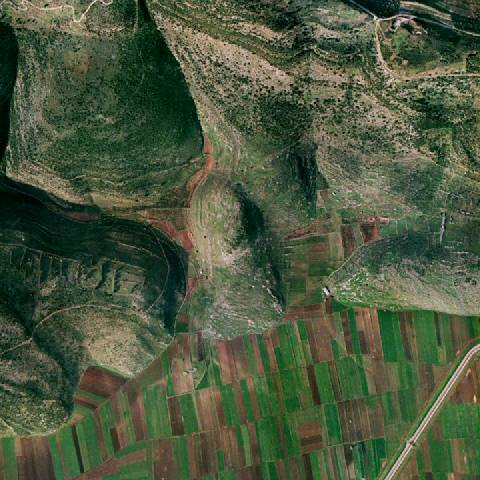 Kanah_Cana_HQana.C.M 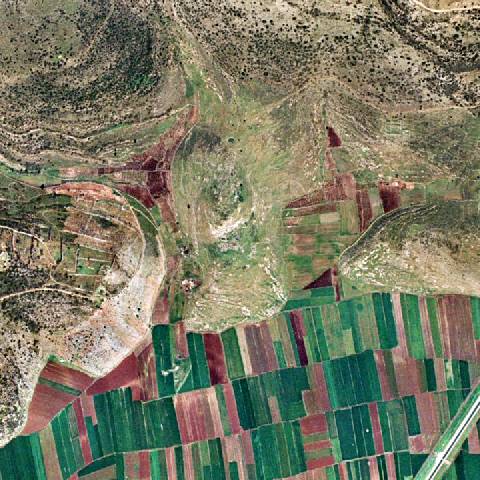 Cana  Corinth Canal west end from north, tb050803086  Corinth Canal from east, tb050803080  Corinth Canal from east, tb  Corinth Diolkos south of canal, tb  Corinth Canal west end from north, tb Passages - Flavius JosephusThe Judean Antiquities (Whiston)The Judean War (Whiston)The Life of Josephus (Brill)The Life of Josephus (Whiston) |